Shifts in Player Retention Rates Tied to Customized Reward Structures Across Hybrid Poker and Sports Wagering Platforms
Written by Hugo Braun · Jul 29, 2026
Shifts in Player Retention Rates Tied to Customized Reward Structures Across Hybrid Poker and Sports Wagering Platforms
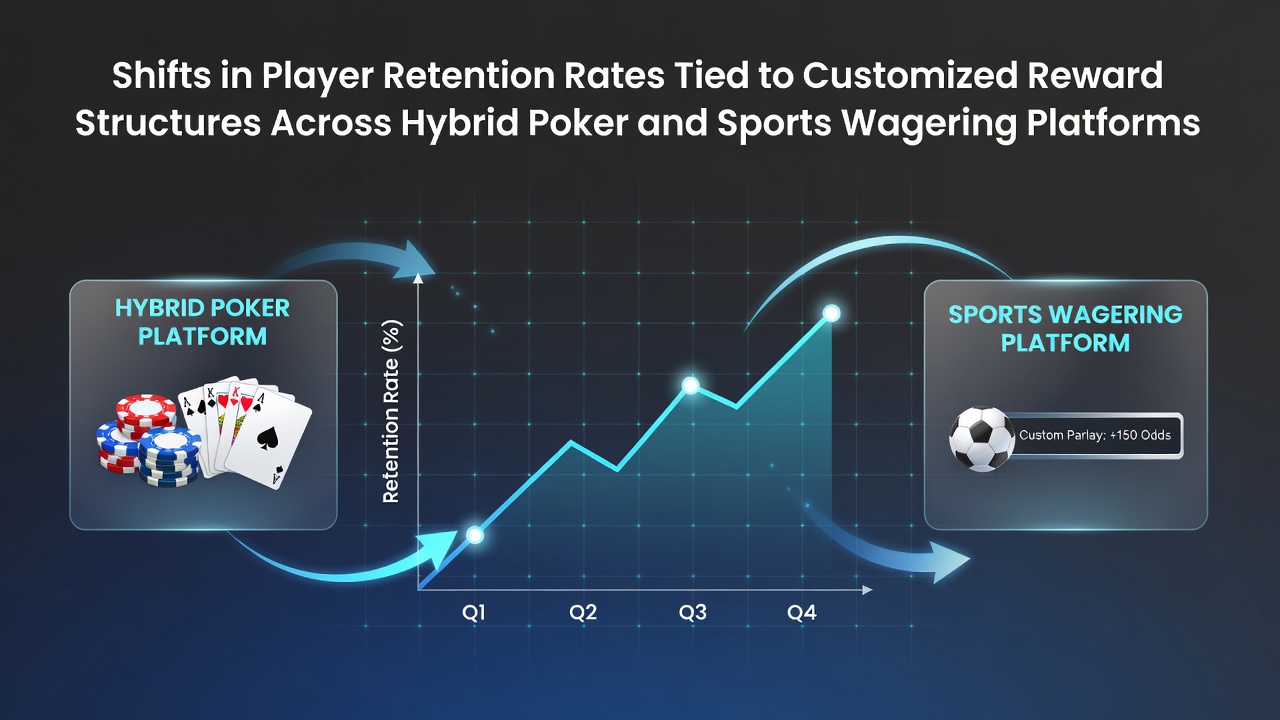
Hybrid platforms that combine poker rooms with sports wagering have implemented reward systems tailored to individual user patterns, and data from multiple operators shows measurable changes in how long players stay active. These structures often adjust bonuses, cashback percentages, and milestone rewards based on factors like session length, bet types, and game preferences, which in turn correlate with shifts in monthly retention metrics tracked through July 2026.
Mechanics of Customized Rewards in Combined Environments
Operators track player data across poker tables and sports markets to build profiles that trigger specific incentives, such as increased rakeback for frequent tournament participants who also place live wagers or deposit-matched offers tied to multi-sport parlays. According to reports from the Nevada Gaming Control Board, these layered programs have coincided with retention rate increases of 12 to 18 percent among users who engage with both verticals compared to single-product players. The adjustments occur in real time, pulling from algorithms that weigh recent activity against historical patterns so that rewards align more closely with demonstrated habits rather than generic promotions.
Observed Retention Patterns Through Mid-2026
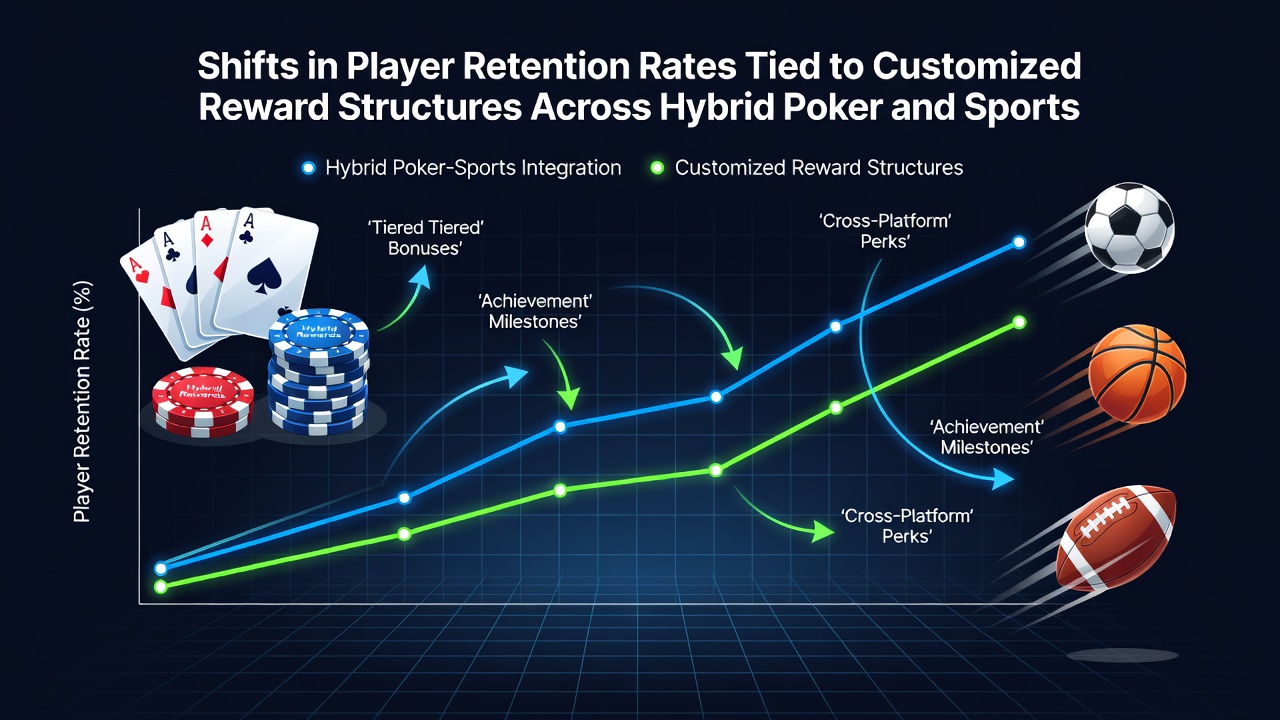
Industry datasets compiled through the first half of 2026 indicate that platforms offering hybrid poker and sports features experienced steadier month-over-month player continuity when reward tiers responded to cross-activity. For instance, users who received poker-specific loyalty multipliers after completing sports betting challenges showed longer average account lifespans, with one operator group noting a reduction in 30-day churn from 22 percent to 15 percent over a six-month window ending in July. Researchers at academic institutions studying digital wagering have documented similar trends, finding that personalization reduces the typical drop-off that occurs after initial bonus periods expire.
Platforms have also adjusted reward frequency and value based on time-of-day participation and device usage, which analysts link to sustained engagement levels. Those who study these systems observe that players receiving customized weekly summaries of earned rewards tend to log in more consistently, particularly when the incentives reference both poker hand histories and sports wager outcomes in a single communication.
Regional Data Variations and Platform Comparisons
Retention figures vary by jurisdiction, with North American and European operators reporting distinct outcomes tied to regulatory requirements around reward transparency. Data released by iGaming Ontario through mid-2026 shows hybrid sites achieving 8 percent higher retention among users enrolled in tiered programs than those on flat bonus structures, while comparable figures from the Malta Gaming Authority highlight stronger continuity when rewards incorporate both poker rake and sports margin contributions. These differences appear linked to how local rules shape the timing and disclosure of personalized offers.
One study released by researchers at the University of Nevada examined several hybrid platforms and found that retention curves flattened more noticeably when reward algorithms prioritized recent behavior over lifetime totals. The analysis covered activity logs from thousands of accounts and noted that users exposed to dynamic adjustments maintained higher login frequencies across both poker and sports sections during the spring and early summer months of 2026.
Integration Challenges and Measurement Approaches
Operators face technical demands when merging poker and sports data streams for reward calculations, yet those who have completed the integration report clearer visibility into retention drivers. Metrics now commonly include cross-product participation rates, average reward redemption times, and changes in deposit frequency following personalized notifications. External audits of these systems have confirmed that retention improvements track most closely with rewards calibrated to individual risk profiles rather than broad demographic categories.
Additional tracking tools allow platforms to segment users by preferred sports leagues or poker formats, which then informs the allocation of bonus funds or free spins. Reports indicate that such segmentation has produced retention uplifts in the 10 to 14 percent range for players who previously showed declining activity after their first month on a platform.
Conclusion
Available figures from regulatory bodies and academic reviews point to a consistent association between customized reward structures and improved retention on hybrid poker and sports wagering platforms through July 2026. The patterns hold across multiple markets, with the strongest continuity appearing where incentives draw directly from combined activity data. Continued monitoring by oversight agencies and research groups will determine how these relationships evolve as platforms refine their personalization methods further.