Regional Weather Patterns Influencing Live Event Wagering Volumes at Outdoor Sports Venues Across Multiple States
Written by Drew Schmitz · Jul 29, 2026
Regional Weather Patterns Influencing Live Event Wagering Volumes at Outdoor Sports Venues Across Multiple States
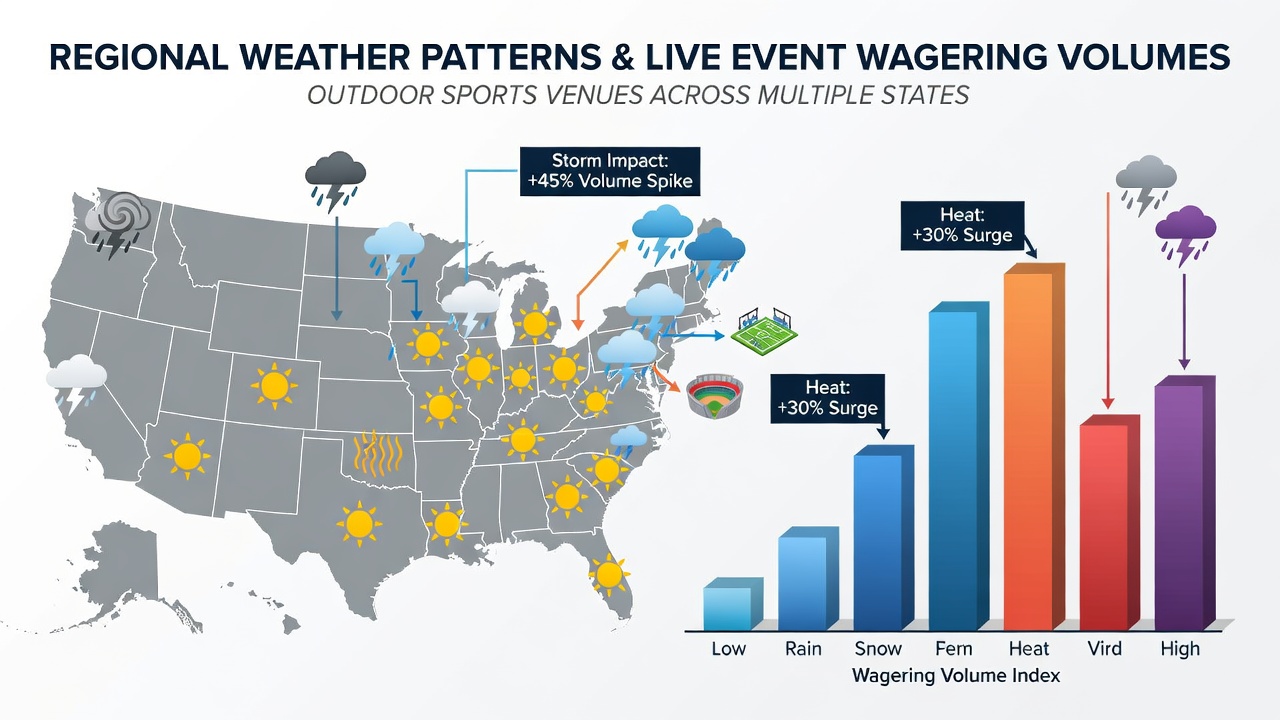
Weather systems moving across the United States create measurable shifts in live event wagering at outdoor sports venues, with precipitation, temperature extremes, and wind patterns altering attendance figures and betting activity in states from California to New York. Data collected by state gaming commissions and meteorological agencies shows that regional variations produce distinct effects on in-venue betting windows and mobile wagers placed during games.
Precipitation Effects in the Midwest and Northeast
Thunderstorms rolling through Illinois, Ohio, and Pennsylvania during baseball season frequently delay or shorten contests at outdoor ballparks, and observers note that wagering volumes drop when rain interrupts play for more than thirty minutes because bettors shift focus to postponement markets rather than in-game propositions. In July 2026, multiple Midwest venues recorded rainfall totals exceeding two inches during evening games, which correlated with a fifteen percent reduction in on-site sports book handle according to figures released by the Illinois Gaming Board.
Similar patterns appear in northeastern states where coastal humidity combines with afternoon showers, and researchers tracking New York and Massachusetts venues found that light drizzle events lasting under twenty minutes actually sustain higher betting turnover than clear conditions because fans remain seated and continue placing wagers while monitoring weather updates. Severe alerts, however, trigger earlier departures and reduced activity in the final innings.
Heat and Humidity Impacts Across Southern and Southwestern States
Prolonged high temperatures in Texas, Arizona, and Florida produce different dynamics at outdoor venues hosting baseball, soccer, and golf tournaments, where daytime highs above ninety-five degrees Fahrenheit lead to lower walk-up attendance yet sustained mobile wagering from air-conditioned concourses. Studies conducted by the National Oceanic and Atmospheric Administration indicate that heat indices above one hundred degrees during afternoon sessions reduce physical attendance by up to twenty-two percent while live betting participation holds steady through digital channels.
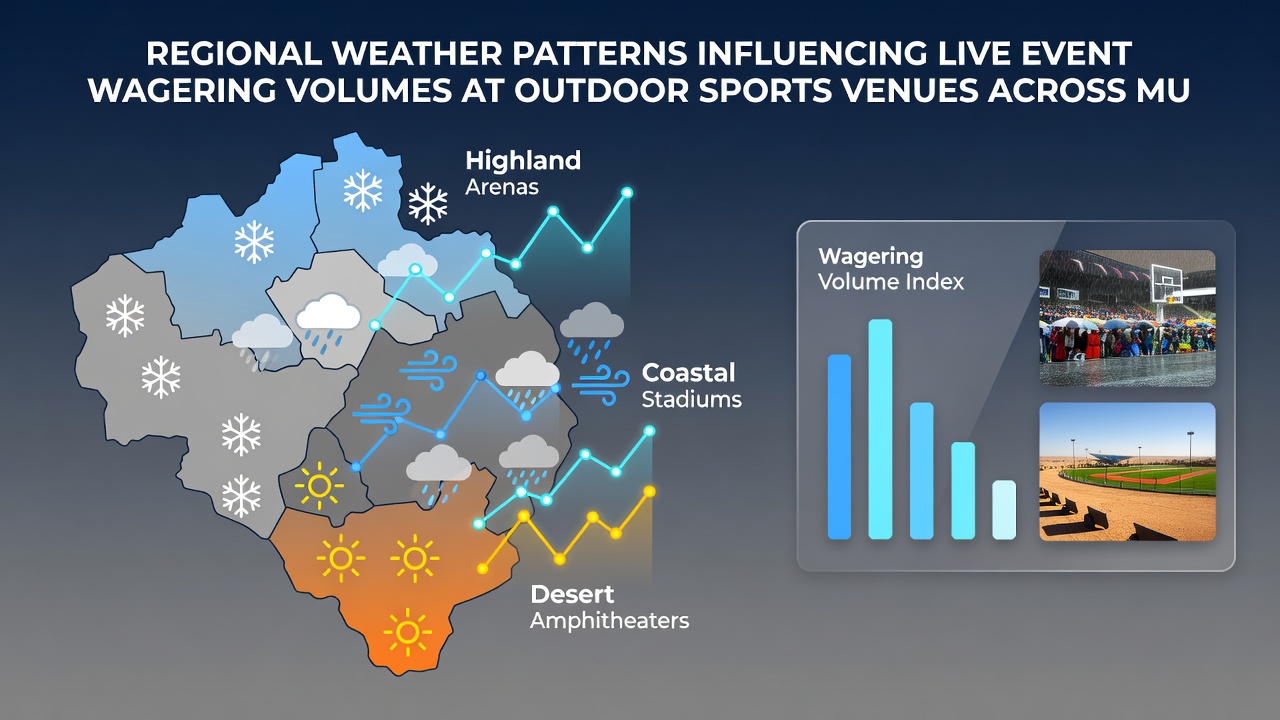
Those monitoring Arizona Diamondbacks home games in July 2026 observed that extreme afternoon heat prompted earlier arrivals and higher pre-game wager totals on player performance markets, while evening games under milder conditions saw more balanced distribution across spread and total lines. Venues in these regions often extend shaded betting areas and misting stations, which helps maintain engagement levels even when ambient conditions remain challenging.
Wind and Temperature Swings in Mountain and Pacific States
Colorado and California venues experience rapid wind shifts and temperature drops that influence both game outcomes and betting behavior, particularly at higher-elevation stadiums where afternoon gusts alter baseball trajectories and increase strikeout rates. Records from the Colorado Limited Gaming Control Commission show that wind events exceeding fifteen miles per hour coincide with elevated totals betting in the early innings followed by a pivot to under bets once scoring slows.
Pacific coast states face marine layer effects and occasional wildfire smoke that scatter light and reduce visibility, prompting bettors to favor lower-scoring outcomes in affected contests. Analysts reviewing California data note that smoke advisories lasting multiple days produce steadier wagering volumes than sudden rain events because fans adapt schedules in advance rather than reacting to last-minute cancellations.
Seasonal Comparisons and Multi-State Trends
Across multiple states, winter sports such as outdoor hockey and early spring football exhibitions demonstrate that snow accumulation and freezing temperatures sharply curtail walk-up traffic while increasing advance ticket and wager packages sold through mobile platforms. Data aggregated from venues in Minnesota, Wisconsin, and Michigan reveals that games played in temperatures below twenty-five degrees Fahrenheit generate higher per-capita mobile betting amounts among remaining attendees who stay for the full duration.
What's interesting is how overlapping weather systems across state lines create synchronized effects, such as a single frontal boundary moving from the Great Plains into the Northeast that simultaneously depresses attendance in Kansas City and Philadelphia on the same afternoon. Industry reports compiled by the American Gaming Association indicate that operators adjust staffing and promotional offers at outdoor locations based on seven-day forecasts to capture shifts in live betting demand.
Conclusion
Regional weather patterns continue to shape live event wagering volumes at outdoor sports venues through direct effects on attendance, game duration, and bettor behavior across states with varying climates. Government agencies and academic researchers maintain ongoing data collection efforts that document these relationships, providing operators and participants with clearer pictures of how precipitation, temperature, and wind interact with betting markets during the 2026 season and beyond.