Player Migration Trends Between Land-Based Casino Floors and Mobile Sports Betting Applications in Urban Centers
Written by Drew Schmitz · Aug 3, 2026
Player Migration Trends Between Land-Based Casino Floors and Mobile Sports Betting Applications in Urban Centers
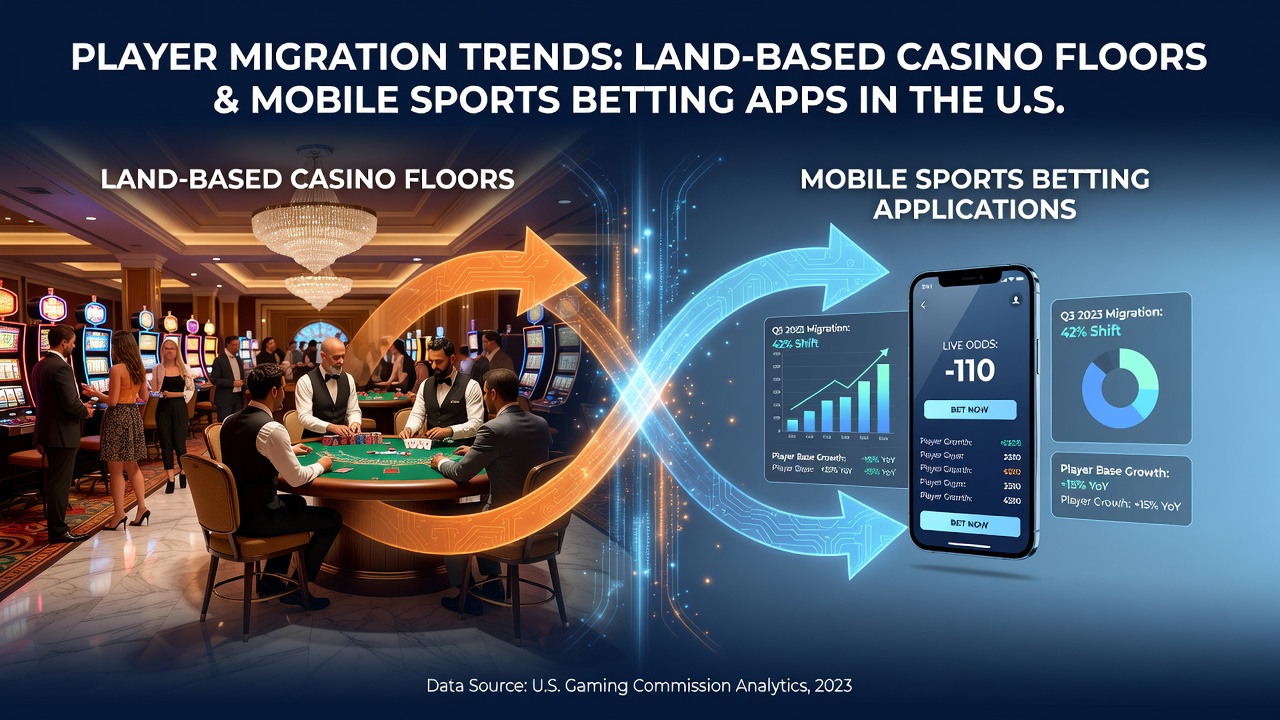
Urban centers across North America and parts of Asia have recorded measurable shifts in how participants engage with gambling platforms, and data compiled through mid-2026 points to ongoing movement between physical casino environments and mobile sports betting applications. Regulatory filings and operator reports indicate that city dwellers in places like New York, Chicago, and Philadelphia have adjusted their habits in response to app accessibility, venue proximity, and real-time event coverage. August 2026 figures from several state oversight bodies show continued growth in mobile handle alongside stable yet slower foot traffic at land-based properties in the same metropolitan areas.
Observed Patterns in Major Cities
Researchers tracking participation data note that mobile sports betting apps captured a rising share of wagers placed on professional and college sports during the 2025-2026 seasons, while land-based sportsbooks inside casinos maintained steady but proportionally smaller volumes in urban markets. In New York City, for instance, mobile registrations rose steadily after the Resorts World New York City table games launch earlier in the year, yet on-site sports betting counters reported consistent daily attendance from local residents who prefer in-person environments for certain events. Observers note similar splits in Chicago, where downtown casino floors host regular crowds for table games and slot play while smartphone apps handle the bulk of live betting on evening matches.
Patterns emerge when analysts compare transaction timestamps across platforms. Mobile activity spikes during work commutes and late evenings, whereas land-based visits cluster around weekends and special promotions. One study of multi-platform users found that individuals often alternate between the two formats within the same week, selecting the mobile option for quick in-game bets and the physical floor for extended sessions that include dining or entertainment. These behaviors appear in datasets released by the Pennsylvania Gaming Control Board and the Alcohol and Gaming Commission of Ontario, both of which separate mobile and retail reporting categories.
Factors Influencing Platform Choice
Connectivity infrastructure plays a documented role in migration trends. Urban neighborhoods with high 5G coverage and reliable public transit show elevated mobile adoption rates, while areas near established casino properties retain stronger land-based participation. Demographic breakdowns reveal that younger adults in dense city cores lean toward apps for sports wagers, yet older cohorts continue to visit physical locations for poker rooms and slot machines. Industry reports highlight that loyalty programs integrated across both channels encourage some participants to maintain activity on multiple platforms rather than fully abandoning one for the other.
Event-driven surges further illustrate the divide. Major boxing matches or football playoffs generate simultaneous increases in mobile volume and casino floor attendance, though the percentage growth on apps tends to outpace physical locations during these periods. Data from the American Gaming Association tracks these fluctuations by region and shows that urban centers with legal mobile markets experience faster overall market expansion than states limited to retail-only options. Operators have responded by installing more kiosks and expanding app features such as live streaming and cash-out options that mirror in-person flexibility.
Data Snapshots from Regulatory Sources
State-level statistics released in summer 2026 provide concrete benchmarks. The New Jersey Division of Gaming Enforcement reported that mobile sports betting handle exceeded retail sports betting by a widening margin in Atlantic City-adjacent urban zones, while land-based casino win remained anchored by non-sports offerings. Parallel numbers from the Alcohol and Gaming Commission of Ontario indicated that app-based registrations in Toronto and Ottawa grew at double-digit rates year-over-year, whereas casino floor visits stabilized after earlier pandemic rebounds. These figures align with broader industry analyses that separate sports wagering from table games and slots when measuring platform preference.
Cross-border comparisons add context. Australian state regulators tracking similar urban markets noted parallel shifts toward mobile sports apps in Sydney and Melbourne, although land-based clubs retained strong membership numbers for non-sports activities. Academic researchers affiliated with the University of Nevada, Las Vegas have begun longitudinal studies examining whether these patterns persist across economic cycles or seasonal changes in sports calendars.
Industry Adjustments and Venue Responses
Casino operators in urban markets have introduced hybrid features to retain floor traffic. Some properties now offer dedicated mobile lounges where patrons can use apps while seated at physical bars or near big-screen displays. Others promote same-day rewards that apply to both digital and in-person play. These adaptations reflect documented attempts to slow or redirect migration rather than reverse it entirely. Trade publications covering the sector describe how venue redesigns and app-linked promotions aim to create seamless movement between formats for the same user base.
Meanwhile, mobile platforms continue to refine location-based services that activate only within state boundaries, which affects urban users who cross city or state lines during daily routines. Geofencing accuracy and payment processing speeds remain technical points tracked in operator filings. As August 2026 closed, several major apps released updates that improved push notifications tied to live events, further aligning digital convenience with the immediacy once exclusive to land-based sportsbooks.
Conclusion
Available evidence from regulatory filings, operator disclosures, and independent research indicates sustained migration patterns between land-based casino floors and mobile sports betting applications in urban centers. These trends vary by city infrastructure, demographic profile, and sports calendar, yet they consistently show mobile channels gaining share while physical venues adapt through integrated offerings. Continued monitoring by state agencies and academic groups will clarify whether the current balance stabilizes or evolves further in coming quarters.