Examining Ties Between Grocery Shopping Patterns and Casino Bonus Claim Timing in App-Based Gaming
Written by Hugo Lang · Oct 13, 2026
Examining Ties Between Grocery Shopping Patterns and Casino Bonus Claim Timing in App-Based Gaming
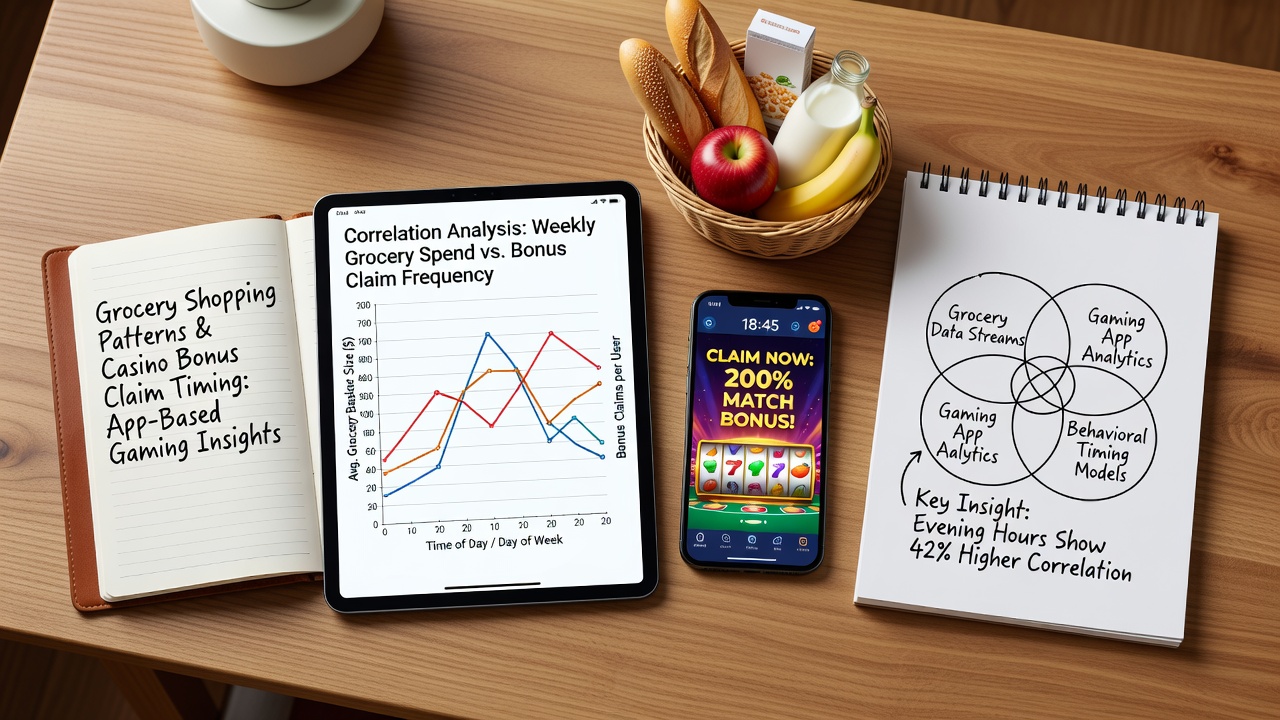
Analysts tracking mobile user data have identified measurable overlaps between routine grocery shopping cycles and the moments when players claim casino bonuses inside app-based gaming platforms, with patterns emerging across multiple regions during 2026. These connections appear in aggregated transaction logs and session timestamps rather than isolated incidents, as researchers compile information from payment processors and app analytics firms that monitor daily activity spikes.
Routine Behaviors and Digital Timing Overlaps
People who complete grocery orders through delivery apps on weekday evenings between 5 and 8 p.m. show elevated rates of bonus claims in casino applications within the following 90 minutes, according to combined datasets reviewed by behavioral research teams. This window aligns with the period after household errands finish and before evening activities begin, creating a repeatable sequence that data scientists have mapped across thousands of anonymized user profiles. Observers note that the same individuals often log into gaming apps immediately after confirming grocery deliveries, suggesting the completion of one mobile task triggers the start of another.
Regional Data Patterns in 2026
Figures compiled through October 2026 indicate that users in urban areas with high adoption of both grocery and gaming apps demonstrate the strongest correlations, while suburban and rural cohorts display slightly delayed timing shifts of 30 to 45 minutes. Payment records from major processors reveal that bonus claims frequently occur on the same days when grocery spending peaks, particularly Thursdays and Sundays when many households restock. Researchers at institutions tracking consumer technology use have cross-referenced these dates with in-app event logs to confirm the consistency of the sequence.
Payment Method and Session Length Factors
Players who link the same digital wallet to both grocery services and casino apps tend to claim bonuses faster after completing shopping transactions than those who use separate accounts. Session length data shows that shorter grocery interactions, under 12 minutes, precede quicker bonus claims, whereas longer shopping sessions correlate with delayed gaming starts of up to two hours. Industry reports from the American Gaming Association highlight how these micro-timing differences appear across multiple states without requiring direct integration between the two types of applications.
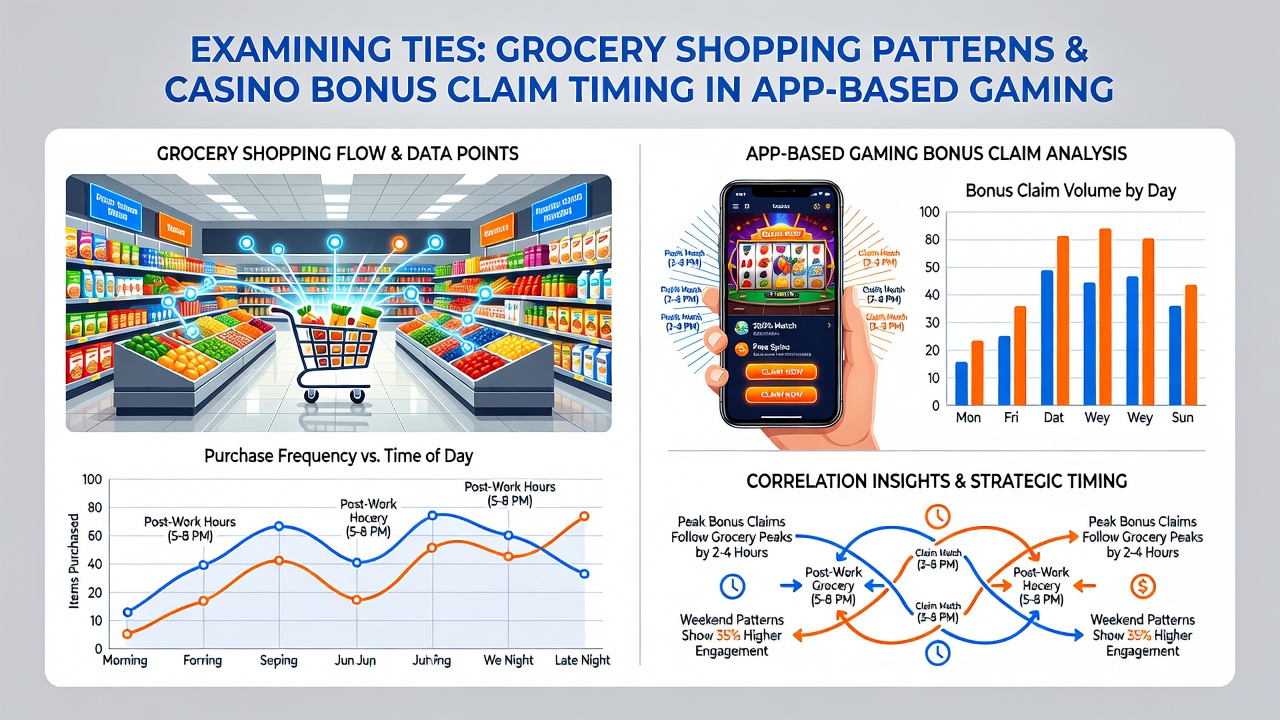
One study released by Australian academic researchers examined similar patterns in cross-platform environments and found that push notifications from grocery apps often precede gaming session initiations by predictable intervals. Those notifications, which arrive once orders reach delivery stages, coincide with increased bonus claim activity in gaming titles that send their own timed offers during comparable evening blocks. The alignment holds across different demographic segments when researchers control for overall mobile screen time.
Demographic and Geographic Variations
Younger adults between 25 and 34 display tighter clustering between grocery completion and bonus claims compared with older groups, whose patterns spread across wider evening windows. Geographic analysis shows stronger ties in markets where both grocery delivery penetration and regulated app-based gaming operate simultaneously, such as certain U.S. states and Canadian provinces. Data from the National Council on Problem Gambling research compilations supports these location-based distinctions while remaining focused on aggregate behavioral metrics rather than individual outcomes.
Weekly Cycle Influences
Weekend grocery patterns produce different timing distributions than weekday ones, with Saturday shopping peaks leading to bonus claims spread across afternoon and early evening slots. Midweek grocery activity, concentrated after work, generates tighter clustering immediately afterward. These weekly rhythms remain stable through October 2026 monitoring periods, allowing analysts to forecast claim volume windows based on grocery order volume trends reported by major delivery platforms.
Technical Tracking Methods
App developers and analytics providers employ timestamp matching and cohort segmentation to isolate these behavioral links without accessing personally identifiable information. Machine learning models trained on combined transaction streams identify the grocery-to-gaming transition points at scale, revealing that the strongest predictors involve time-of-day variables rather than specific product categories purchased. Observers note that such models improve accuracy when they incorporate regional differences in grocery delivery windows and local gaming regulations.
Conclusion
Available datasets establish clear temporal connections between grocery shopping completion and casino bonus claim activity in app-based environments, with consistent patterns documented across multiple months of 2026 records. These ties emerge from routine mobile usage sequences rather than deliberate coordination between services, as evidenced by payment processor logs and session analytics. Continued monitoring through established research channels will track whether these relationships evolve alongside changes in delivery logistics or gaming offer structures.