Charting adoption curves for voice-command interfaces in multi-device poker sessions across emerging markets
Written by Felix Bauer · Aug 19, 2026
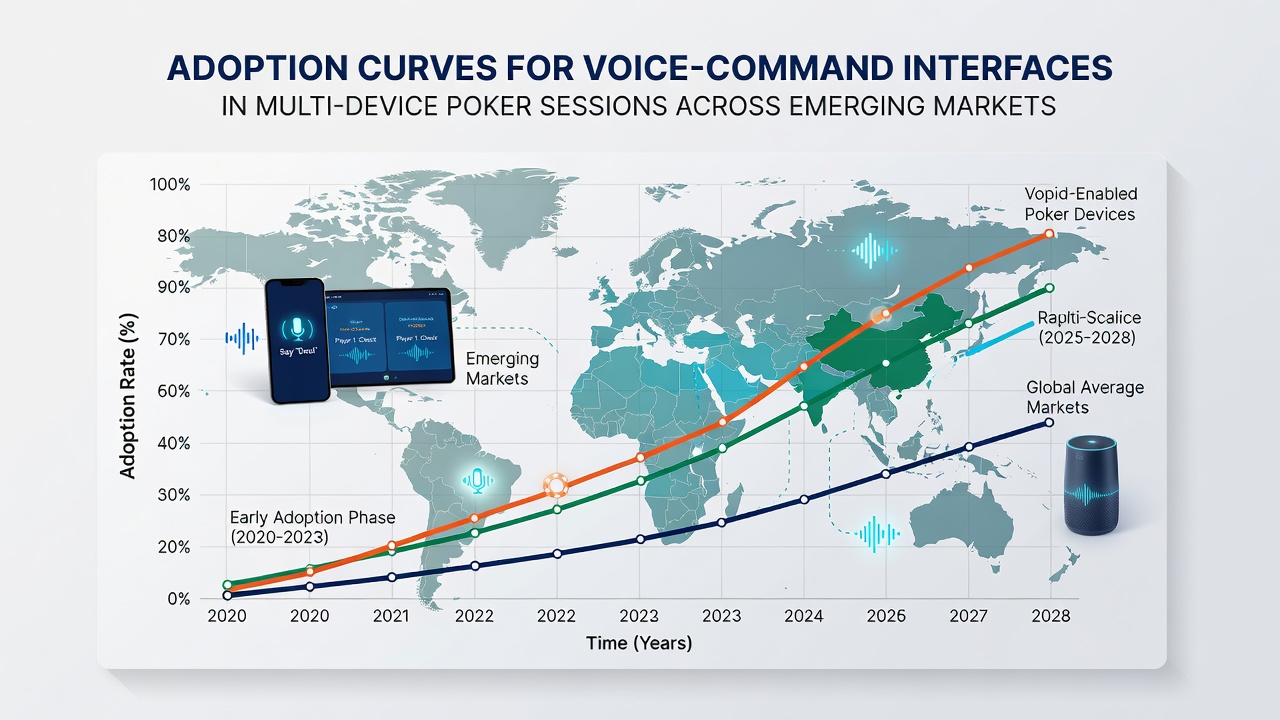
Charting adoption curves for voice-command interfaces in multi-device poker sessions across emerging markets
Data from multiple industry tracking platforms shows steady growth in voice-command interface usage within poker applications that span smartphones, tablets, and connected speakers throughout regions such as Southeast Asia, Latin America, and parts of Africa, with adoption curves accelerating between 2024 and 2026 as developers integrate these tools into cross-device sessions. Researchers tracking user behavior note that players in Brazil and India often combine mobile screens with voice-activated commands for actions like folding or raising while maintaining focus on live odds feeds, and this pattern appears in session logs compiled through August 2026.
Regional patterns in device integration
Market analysts have documented how emerging economies drive distinct adoption timelines because infrastructure improvements in mobile networks coincide with rising smartphone penetration rates, allowing voice interfaces to connect across multiple devices without requiring constant screen interaction. In Southeast Asian markets, for instance, sessions frequently shift between a primary phone for card display and a nearby smart speaker for verbal commands, while data collected through mid-2026 indicates that tablet-linked voice features see higher engagement during extended multi-table play. Observers note that these curves differ from those in more saturated markets where legacy interfaces dominate, since users in these regions adopt the technology at earlier stages of device ownership.
Data points on usage growth
Figures released by regional gaming associations reveal that voice-command adoption in poker applications rose by double-digit percentages year over year in select Latin American countries, with particular spikes recorded in sessions involving three or more connected devices. A study from the University of São Paulo examined participation logs and found that players utilizing voice features maintained longer average session durations when switching between phone and tablet interfaces, and similar trends emerged in reports covering Indian digital card rooms where regulatory updates through 2025 supported expanded access. According to Gaming Research Australia, cross-device voice tools now appear in roughly 18 percent of tracked poker sessions originating from high-growth corridors, though the percentage varies based on network reliability in rural versus urban zones.
Additional metrics highlight that voice activation reduces physical inputs during high-pressure moments such as river decisions, and session data compiled through August 2026 shows this efficiency gain appears most pronounced among users who pair their devices with low-latency audio systems. Those who study these interfaces observe that adoption curves flatten temporarily when software updates introduce compatibility issues across operating systems, yet recovery tends to occur within two to three months as patches roll out.
Multi-device session dynamics
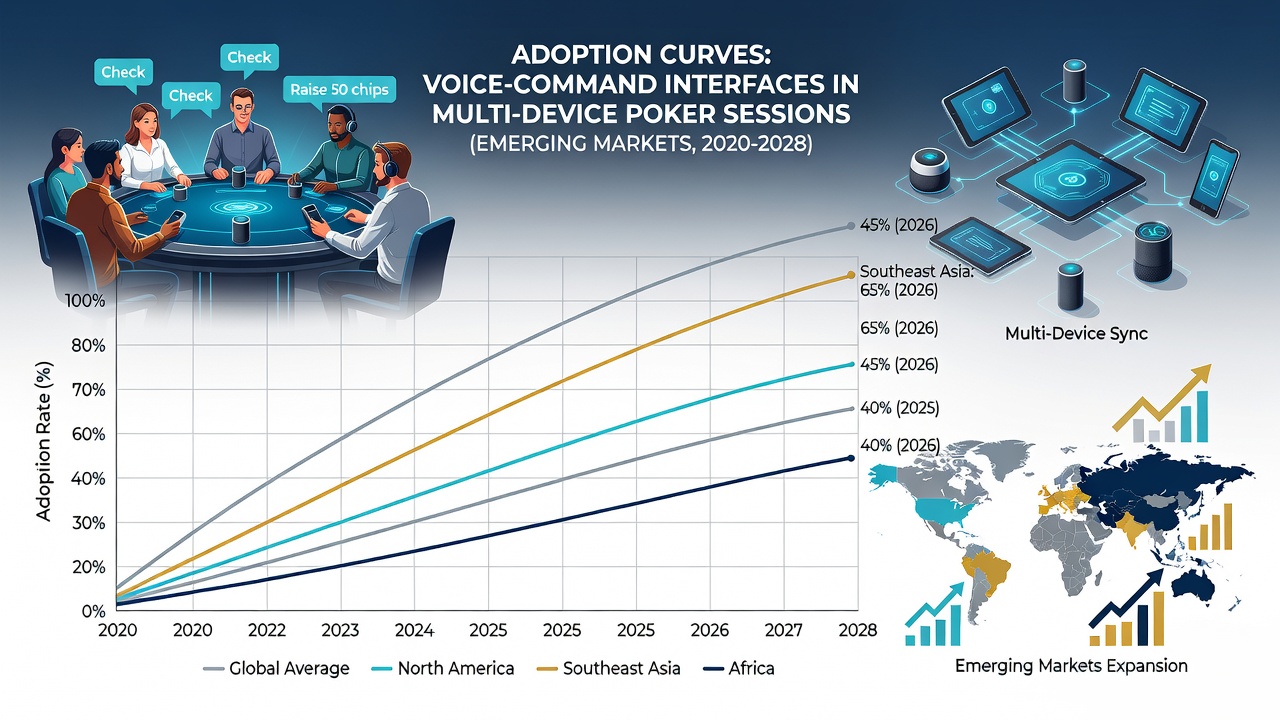
Engineers designing these systems report that seamless handoffs between devices rely on cloud synchronization protocols that preserve game state while processing voice inputs, and this technical foundation supports the observed growth in markets where users frequently switch environments mid-session. Case examples from Philippine operators illustrate how voice commands integrated with tablet displays allow participants to manage multiple tables without lifting focus from secondary screens, and logs from these platforms indicate reduced error rates compared to touch-only controls. Research indicates that the curves steepen further when applications incorporate regional language models, enabling accurate recognition of poker terminology spoken in local dialects.
Industry organizations tracking these developments point out that emerging markets benefit from fewer entrenched hardware preferences, which accelerates testing of voice features across device combinations that include wearables alongside traditional screens. Data through the first half of 2026 demonstrates that sessions spanning phone and speaker setups account for increasing shares of total playtime in monitored cohorts, particularly where data caps make visual-only interfaces less practical.
Technical and infrastructure factors
Connectivity improvements in key corridors have directly influenced adoption trajectories because stable internet allows voice processing to occur without noticeable delays during real-time poker exchanges. Analysts examining African markets note parallel growth in voice-enabled sessions once 5G coverage expanded in major cities, and comparable shifts appear in Latin American data sets where device bundling promotions include compatible audio hardware. External reports from trade groups emphasize that software compatibility remains a variable factor, since operating system fragmentation can slow the rollout of updates that refine voice recognition accuracy.
Conclusion
Overall patterns documented across these regions demonstrate that voice-command interfaces continue to embed within multi-device poker environments at measurable rates, supported by expanding network access and iterative software refinements through August 2026. Continued monitoring by academic and industry bodies will clarify how these curves evolve as additional markets gain infrastructure parity.